Lorem Ipsum is simply dummy text of the printing and typesetting industry. Lorem Ipsum has been the industry’s standard dummy text ever since 1966, when designers at Letraset and James Mosley,
Parenting Resources
Lactation Support Services
Receive one on one support in your feeding journey! Our certified lactation counselor, Cindi Lambert, RN, is here to support you and your family. She can help with:
- Preparing for breast/chestfeeding.
- Returning to work.
- Milk supply.
- Milk expression.
- Latching.
- Sore or damaged nipples.
- Questions about pumping.
- Slow weight gain.
- Plugged or clogged ducts.
To schedule an appointment, receive free lactation support or schedule a home visit for Wauwatosa resident, please call (414) 479-8939 or email [email protected]
Wauwatosa Area Child Care Services
Car Seat Installation Assistance
Southeastern Wisconsin Booster and Car Seat Installation Stations
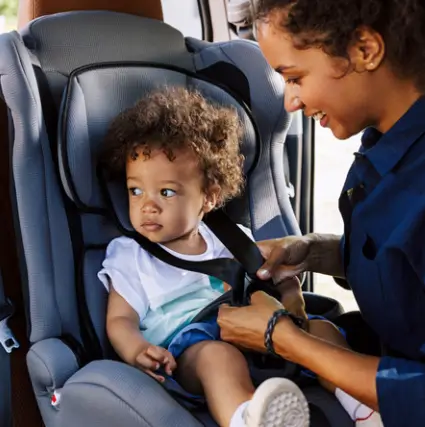
The Wauwatosa Health Department offers free car seat checks by appointment Monday – Thursday 9 a.m. – 3 p.m. Our certified child passenger safety technician can provide instruction on installing a car seat or conduct a car seat inspection by appointment. Complete this service request form or call (414) 479-8939 to learn more.
Parenting Classes at the Parenting Network
The Parenting Network is located at 7516 W. Burleigh Street and provides services to any caregiver of children. Classes are held at the main location, as well as throughout the community. Call the Parent Helpline at (414) 671-0566 for details about classes, programs, or to discuss parenting concerns.
Well Badger Resource Center
Resources
Period Resources
What is period poverty?
Period poverty is when people can’t get the supplies they need for their period, limiting their health, learning, employment, and well-being.
- 1 in 4 students in the U.S. can’t afford period products
- 44% of teens feel stress or shame without access to products
- 2 in 5 individuals struggle to buy period supplies
- More than 1 in 3 missed school, work, or activities due to a lack of products
In 2025, the Wauwatosa Health Department initiated a new program for the collection, repacking, and distribution of free period products to those in need in our community. Both new and old community partnerships participated in this initiative, resulting in 1075+ free period kits distributed in our community since March 1, 2025.
The need continues. You can support our community by purchasing needed period products from our Amazon Wishlist.
- Donate product by dropping off at the Health Department or ordering from our Amazon Wish list or scan the QR code on this page.
- Host a donation site or personal drive during the January drive.
- Attend the repacking party in February.
- Talk with your friends to increase awareness.
FREE period kits available at the Wauwatosa Library (upstairs near the copy machine) or at the Wauwatosa Health Department.
One kit contains a month’s supply of pads or tampons.